
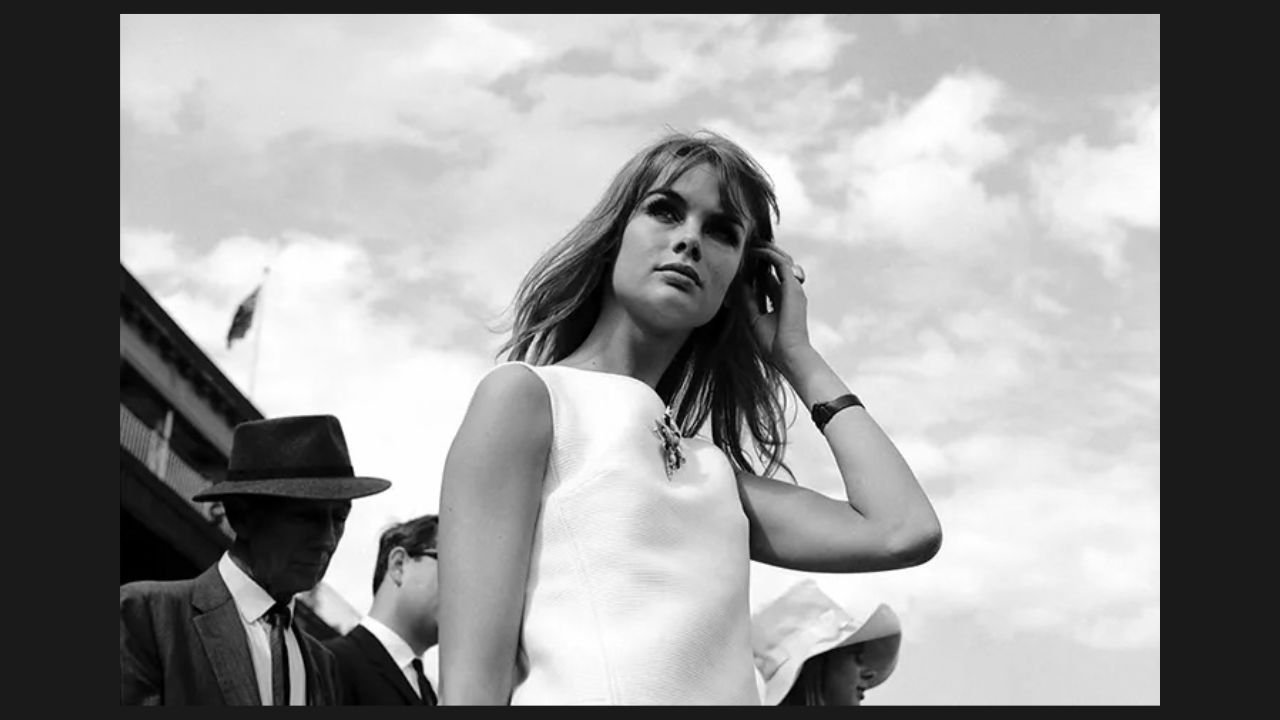
Joan Bakewell
Joan Bakewell stands as one of Britain’s most respected cultural figures. For more than six decades, she has shaped conversations around art, literature, politics, and social change. Her calm authority, thoughtful questions, and clear opinions helped redefine serious broadcasting in the United Kingdom. Moreover, she built a reputation for intelligence and grace during an era when media was rapidly evolving.
Throughout her long career, Joan Bakewell has shown that broadcasting can be both serious and accessible. She never relied on sensationalism. Instead, she focused on ideas, people, and culture. As a result, she earned trust across generations. By 2025 and 2026, her influence still resonates in British journalism and public debate.
Early Foundations and Education
A Childhood That Encouraged Curiosity
Joan Bakewell grew up in post-war Britain, a time of rebuilding and reflection. Her early years shaped her curiosity about society and culture. She developed a strong interest in reading and discussion, which later guided her professional life.
From a young age, she valued learning and open conversation. Consequently, she pursued higher education with determination. She studied at Cambridge University, where she explored economics and joined student theatre activities. This academic background gave her analytical skills, while her creative interests strengthened her communication style.
Intellectual Growth at University
During her university years, she engaged deeply with debate and performance. These experiences refined her confidence in public speaking. In addition, they introduced her to networks that would later influence her media career.
Her time at Cambridge did more than provide qualifications. It nurtured her belief that culture and politics connect closely. That belief became central to her work as a journalist and broadcaster.
Breaking into Broadcasting
Early Media Career
In the early 1960s, Joan Bakewell entered the world of television and radio. British media at that time was formal and often male-dominated. However, she carved her own path with intelligence and poise. Rather than conforming to expectations, she developed a distinct style.
Her breakthrough came with her involvement in BBC arts programming. She became known for hosting thoughtful discussions on culture and society. As a result, viewers began to associate her name with serious intellectual debate.
Redefining Arts Journalism
Joan Bakewell helped make arts coverage more engaging. She believed cultural discussion should reach ordinary households, not remain confined to academic circles. Therefore, she asked direct yet respectful questions that invited honest answers.
Her interviews felt natural and unscripted. Instead of dominating conversations, she allowed guests to explain their ideas fully. This method strengthened her reputation as a skilled communicator. Over time, she became one of Britain’s most trusted voices in cultural broadcasting.
Joan Bakewell and the BBC Legacy
A Recognizable Public Presence
Throughout her career, Joan Bakewell worked extensively with the BBC. She presented radio programs, led televised debates, and hosted documentaries. Each role demonstrated her commitment to informed dialogue.
Her calm voice and thoughtful tone became familiar to millions. Consequently, audiences viewed her as both authoritative and approachable. She balanced seriousness with warmth, which made complex topics easier to understand.
Champion of Intelligent Discussion
Joan Bakewell believed public broadcasting carried responsibility. She consistently promoted quality content over entertainment trends. In addition, she encouraged deeper thinking about art, history, and politics.
Because of her steady presence, she influenced how British television approached cultural reporting. Even in 2025 and 2026, young broadcasters cite her as an inspiration for responsible journalism.
Literary Contributions and Writing Career
Expanding Beyond Television
While many know her for broadcasting, Joan Bakewell also built a strong writing career. She authored memoirs, novels, and essays that explored personal experience and social change. Through writing, she expressed ideas that extended beyond interview formats.
Her memoirs reflect on her professional journey and the transformation of British media. Moreover, her novels reveal her interest in human relationships and moral complexity. She writes in clear language, which allows readers to connect easily with her themes.
Advocacy Through the Written Word
In addition to storytelling, she uses writing to advocate for important issues. She has spoken openly about aging, equality, and women’s rights. Therefore, her books often combine reflection with thoughtful commentary.
Joan Bakewell demonstrates that media professionals can shape public opinion through both speech and text. Her literary voice complements her broadcasting legacy.
Role in Public Life and the House of Lords
Entering the Political Sphere
Later in her career, Joan Bakewell expanded her influence into politics. She became a member of the House of Lords, where she contributed to discussions on cultural policy and social issues. This role allows her to shape national debate beyond media platforms.
In the Lords, she focuses on arts funding, public broadcasting, and the rights of older citizens. Consequently, she remains active in shaping Britain’s cultural future.
Advocacy for Older People
One of her strongest commitments involves improving the lives of older adults. She argues that society often overlooks their contributions. Therefore, she works to ensure dignity and opportunity for aging populations.
By 2025 and 2026, conversations around aging have become more urgent. Joan Bakewell continues to offer thoughtful perspectives on how Britain can support its senior citizens while valuing their experience.
Influence on Women in Media
Breaking Barriers
When Joan Bakewell entered broadcasting, leadership roles for women were limited. Despite these challenges, she earned respect through intelligence and resilience. She proved that women could lead serious discussions on politics and culture.
Her presence opened doors for future female journalists. In addition, she demonstrated that authority does not require aggression. Calm confidence, she showed, can command attention.
A Lasting Feminist Voice
Although she never relied solely on labels, her work supports feminist progress. She challenged outdated assumptions about women’s roles in the media. Furthermore, she encouraged honest conversation about gender equality.
Young broadcasters in 2025 still study her career as an example of steady, thoughtful leadership. Her legacy continues to empower women across journalism and public service.
Cultural Impact in 2025 and 2026
Relevance in a Digital Era
Modern media operates at high speed. Social platforms, streaming services, and digital journalism dominate the landscape. However, Joan Bakewell’s principles remain relevant. She values depth over haste and clarity over noise.
As digital audiences seek trustworthy voices, her model of careful broadcasting feels increasingly important. Therefore, media professionals revisit her interviews and speeches for guidance.
Enduring Respect Across Generations
Joan Bakewell’s influence crosses age groups. Older viewers remember her early television work. Meanwhile, younger audiences discover her through documentaries, interviews, and written reflections.
In 2026, discussions about responsible journalism often reference her career as a benchmark. She represents integrity at a time when misinformation challenges public trust.
Awards, Recognition, and Honors
National Recognition
Over the decades, Joan Bakewell has received significant honors for her contribution to broadcasting and public service. These awards recognize her impact on British cultural life.
Her recognition reflects more than longevity. It acknowledges intellectual courage and dedication to public debate. Moreover, it highlights her ability to adapt while maintaining core values.
Professional Esteem
Peers across journalism respect her balanced approach. She never pursued controversy for attention. Instead, she built credibility through consistency and preparation.
Because of this professionalism, institutions continue to invite her to speak at events and conferences. Even in her later years, she contributed insightfully to discussions about media standards.
Personal Philosophy and Working Style
Commitment to Preparation
Joan Bakewell approaches interviews with thorough research. She believes preparation shows respect for guests and audiences. Consequently, her questions often reveal hidden layers of a topic.
She listens carefully and avoids interrupting unnecessarily. This discipline allows conversations to unfold naturally. As a result, her programs feel thoughtful rather than rushed.
Respectful Debate
Throughout her career, Joan Bakewell has supported civil dialogue. She encourages disagreement without hostility. Therefore, her work models how public discourse can remain respectful.
In an era of sharp division, her style offers valuable lessons. Clear reasoning and calm delivery can create a stronger impact than confrontation.
Lasting Legacy of Joan Bakewell
Shaping British Cultural Identity
Joan Bakewell helped define how Britain discusses art, politics, and society on television and radio. Her career bridges generations of media development. From traditional broadcasts to digital platforms, her voice remains relevant.
She demonstrated that cultural journalism can be both accessible and serious. Furthermore, she showed that media figures can contribute meaningfully to public life beyond entertainment.
Inspiration for the Future
As Britain moves through 2025 and into 2026, new journalists face complex challenges. Rapid information flow demands clarity and responsibility. Joan Bakewell’s example provides a strong foundation for meeting these demands.
Her dedication to thoughtful conversation continues to inspire broadcasters, writers, and policymakers. Therefore, her legacy will likely endure for many years.
Conclusion
Joan Bakewell represents intelligence, integrity, and cultural leadership in British public life. Her work in broadcasting, writing, and politics reflects deep commitment to informed debate. Over decades, she shaped how audiences engage with art and social issues.
Even today, Joan Bakewell remains a symbol of thoughtful journalism. Her career proves that calm authority and careful reasoning can influence society profoundly. As media continues to evolve in 2025 and 2026, her enduring example reminds Britain of the value of depth, dignity, and dialogue.
READ MORE: Ultimate Guide to Mountbatten Centre: Everything You Must Know in 2025‑2026
