
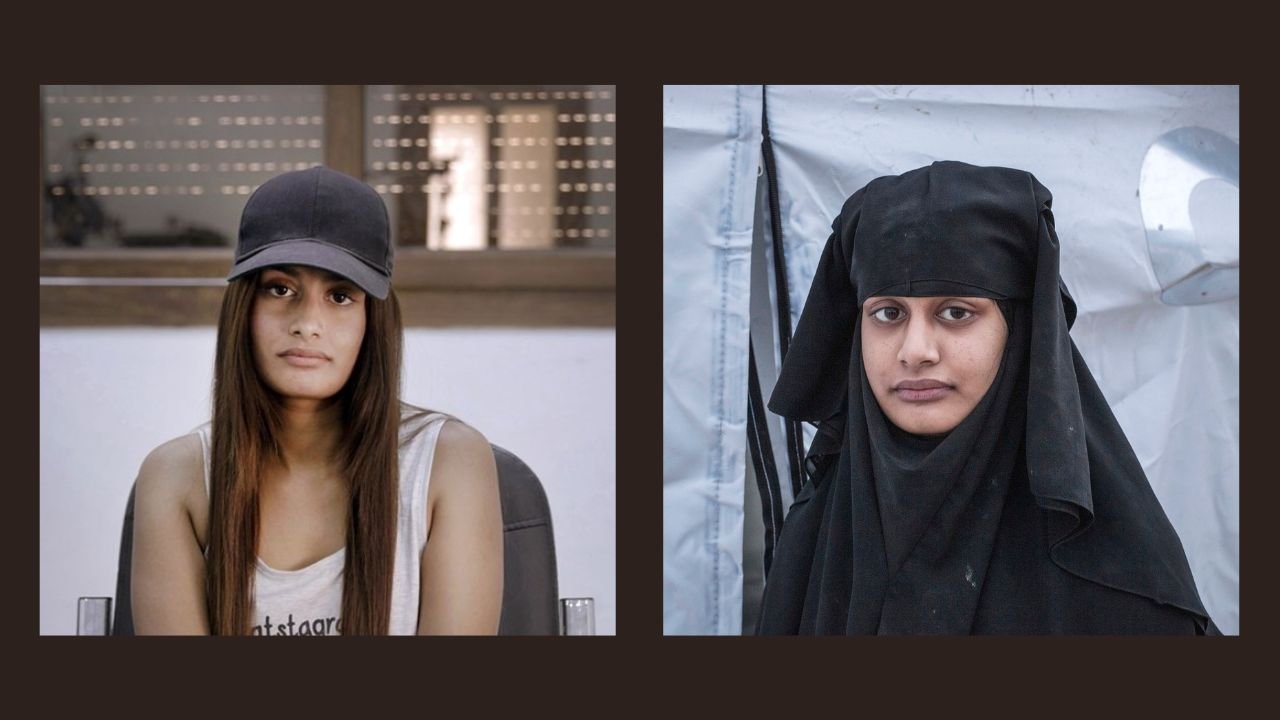
Early Life and Background
Shamima Begum was born in London in 1999 to a Bangladeshi-origin family. She grew up in Bethnal Green, East London, within a close community shaped by different cultures and traditions. Her parents worked steadily to support their household, and she attended local schools where teachers described her as quiet and focused.
During her teenage years, her outlook began to change. At the age of 15, she left the United Kingdom with two classmates. That decision shocked her family and immediately drew national attention. From that point forward, her life moved in a direction few could have predicted.
Her relatives later explained that they did not see clear warning signs. They believe outside influence and online messaging shaped her thinking. Although her early life seemed ordinary, her sudden departure revealed how rapidly young people can fall under extremist influence.
Journey to Syria
Leaving the United Kingdom
In February 2015, Shamima Begum and two friends traveled from London to Turkey. Soon afterward, they crossed into Syria. Investigators later found that the trip had been carefully organized, and contact with recruiters had taken place before departure.
Because the girls were minors, authorities faced criticism for failing to stop them. As a result, security agencies reviewed how teenagers were monitored when traveling abroad. Officials also strengthened border awareness programs.
Begum later stated that she believed she was joining a religious cause. However, once inside ISIS-controlled territory, she faced harsh realities that differed greatly from online promises.
Marriage and Family Life
Shortly after arriving, she married a Dutch ISIS fighter. The issue of Shamima Begum husband became widely discussed as details emerged about his background. Reports indicated he had previously fought in war zones before settling in Syria.
Life under ISIS rule involved strict social control and limited freedom. Airstrikes, shortages of food, and fear of violence shaped daily routines. Despite those dangers, she remained in Syria for several years.
During this time, she gave birth to three children. Sadly, all of her children died due to illness and poor medical conditions. The topic of Shamima Begum children continues to generate emotional debate because their deaths reflect the devastating impact of conflict on innocent lives.
Capture and Media Attention
In early 2019, Kurdish forces located Shamima Begum in a detention camp in northern Syria. A media interview soon followed. Her composed manner and early comments about ISIS sparked strong reactions in Britain.
Public anger intensified because she appeared calm while discussing life in the group’s territory. Consequently, many questioned whether she truly regretted her actions. Politicians responded quickly, and the case shifted from a humanitarian concern to a major political issue.
Meanwhile, her family publicly asked for her return so she could face justice through the British legal system. The debate widened as human rights organizations joined the discussion.
Shamima Begum Citizenship Controversy
Removal of Nationality
In 2019, the UK government removed Shamima Begum citizenship on national security grounds. Officials argued that she could claim Bangladeshi nationality through her family heritage. However, Bangladesh publicly stated she was not a citizen and would not be allowed entry.
The question of Shamima Begum citizenship created a heated legal argument. Lawyers representing her claimed the decision left her stateless and unable to defend herself effectively. On the other hand, government representatives insisted that national safety required decisive action.
As a result, the issue became one of the most debated citizenship cases in modern British history.
Legal Appeals and Court Rulings
Over the following years, she challenged the decision in court. In 2021, the UK Supreme Court ruled that she could not return to Britain to pursue her appeal in person because of security concerns.
Further hearings examined whether the Home Secretary acted lawfully. In 2023, a special tribunal upheld the government’s decision. Judges accepted that she may have been influenced as a minor; however, they concluded that security risks outweighed other factors.
By 2025 and moving into 2026, her legal team continues exploring options. Although major rulings have favored the government, discussions around due process and fairness persist.
Influence of Shamima Begum Friends
The two classmates who traveled with her, often described as Shamima Begum friends, also entered ISIS territory. Both later died during the conflict. Their stories demonstrate how group dynamics can intensify radical decisions.
Investigations showed that the three teenagers communicated with online recruiters before leaving Britain. In addition, they shared similar influences on social media platforms. This collective mindset strengthened their determination to travel.
Today, security services study the case to understand how peer pressure and digital propaganda can shape young minds. Consequently, schools across the country emphasize online awareness and safeguarding training.
The Impact on Shamima Begum Family
The experience deeply affected the Shamima Begum family. Her parents repeatedly stated that they want her to return and face trial in the United Kingdom. They argue that justice requires a fair legal process rather than exile in a camp.
For years, her family endured intense media attention and public criticism. At times, they expressed disappointment in political leaders. Nevertheless, they continue advocating for her repatriation.
This situation also influenced broader community discussions. Many British Muslim families stressed that extremist ideology does not represent their beliefs. Therefore, community leaders worked to prevent stigma and promote unity.
Life in a Syrian Detention Camp
Daily Conditions and Safety
Since 2019, Shamima Begum has remained in camps controlled by Kurdish authorities. Living conditions remain basic. Tents provide minimal shelter, and medical care is limited. Supplies depend on international aid deliveries.
Security risks inside the camps continue as well. Some detainees maintain extremist views, which creates tension. Therefore, camp authorities enforce strict controls to maintain order.
Begum has given interviews expressing regret and a desire to rebuild her life. However, critics question the depth of her remorse.
International Policy Debate
Her case forms part of a wider global issue involving citizens who joined ISIS abroad. Some European countries chose repatriation followed by prosecution. Others, including the United Kingdom, pursued citizenship removal in certain cases.
This debate balances national security against human rights obligations. Supporters of revocation argue that governments must prioritize public protection. Opponents counter that countries should take responsibility for their citizens through prosecution and rehabilitation.
As of 2025, international organizations continue urging states to manage detainees through legal systems rather than leaving them in unstable regions.
Public Opinion and Political Impact
Public opinion remains divided. Some see her as a victim of manipulation who left Britain at 15. Others believe she knowingly joined a violent organization and must accept the consequences.
Media interviews strongly shaped perception. Early statements created backlash, while later interviews showed more reflection. Even so, public trust remains limited.
Politicians frequently reference her case during discussions on immigration and security law. Consequently, her situation influences broader debates about citizenship rights and national identity.
Security Reforms and Policy Changes
Her case prompted policy adjustments in the United Kingdom. Authorities expanded powers related to citizenship removal in national security matters. In addition, agencies increased monitoring of extremist content online.
Prevent programs now focus more heavily on early intervention. Schools and community groups emphasize critical thinking and digital awareness. Therefore, her story continues to influence policy development.
Legal scholars still debate whether removing nationality strengthens long-term security. Some argue it shifts responsibility abroad. Others maintain it deters similar actions in the future.
Current Status in 2025–2026
As of late 2025, Shamima Begum remains in Syria. Major court decisions have supported the UK government’s stance. Nevertheless, legal discussions continue, and political circumstances could evolve.
Regional stability also affects her future. Changes in administration or international agreements may alter detainee arrangements. Therefore, uncertainty surrounds what will happen next.
Although media coverage has slowed compared to 2019, her case still symbolizes modern challenges related to extremism, citizenship, and justice.
Conclusion
Shamima Begum’s journey from East London to a Syrian camp transformed her into a central figure in debates about law and national security. The issues surrounding Shamima Begum citizenship, her marriage to her husband, the tragic loss of her children, the influence of her friends, and the resilience of her family all contribute to a complex narrative.
As 2026 approaches, her legal position remains unresolved in public discussion. Ultimately, her story highlights the tension between protecting national security and upholding legal principles in a rapidly changing world.
MORE LIKE THESE: Faith Millar: Inspiring Story, Age, Instagram, Net Worth & Relationship
